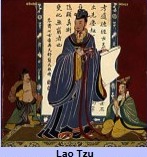
From “The Tao Te Ching”
Well established hierarchies are not easily uprooted; closely held beliefs are not easily released; so ritual enthralls generation after generation.
Harmony does not care for harmony, and so is naturally attained; ritual is intent upon harmony, and so cannot attain it.
Harmony neither acts nor reasons; Love acts, but without reason; Justice acts to serve reason; but ritual acts to enforce reason.
When the Way is lost, there remains harmony; when harmony is lost, there remains love; when love is lost, there remains justice; and when justice is lost, there remains ritual.